DIY Mini Split AC for Florida Homes: Costs, Sizing & Install Tips
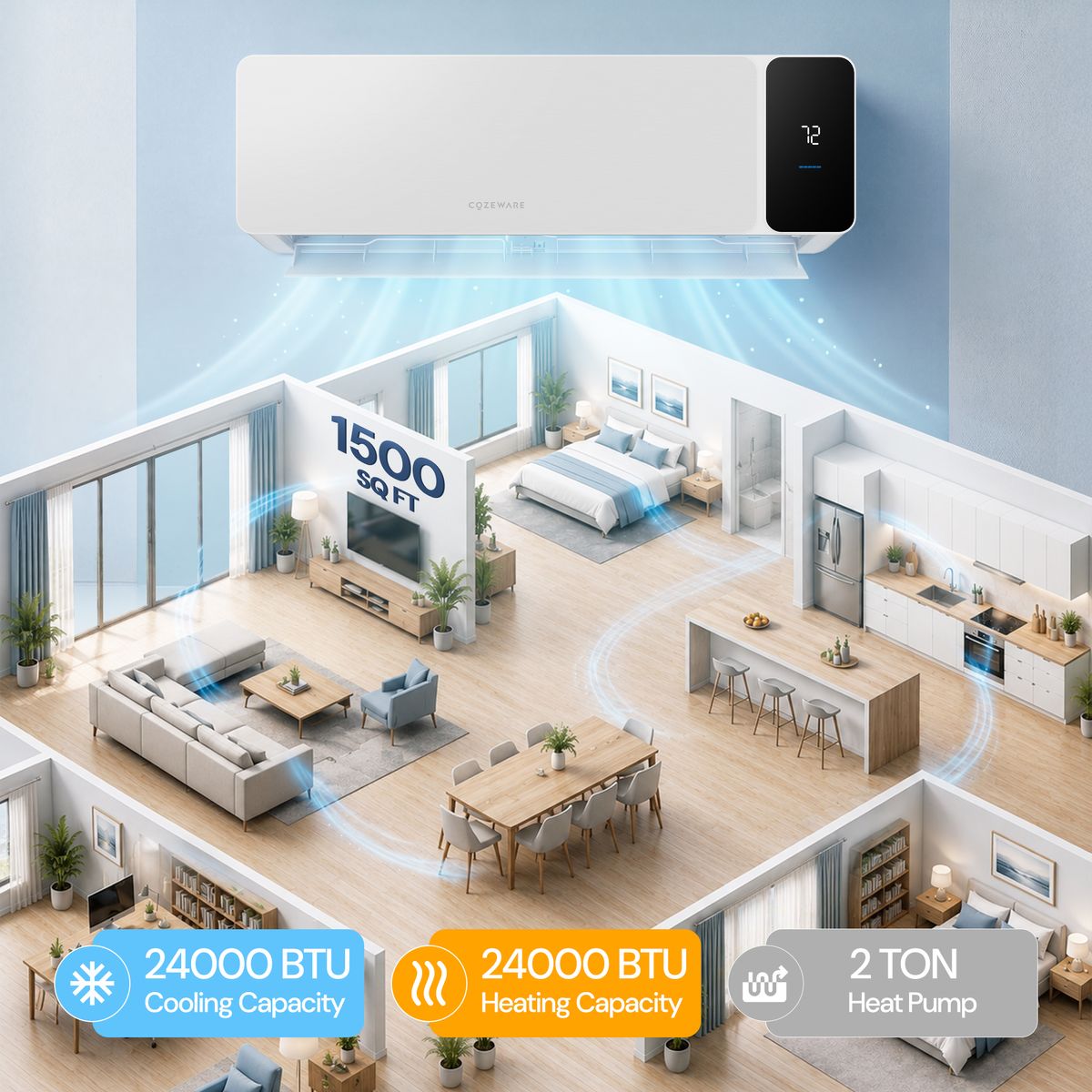
A DIY mini split AC for Florida homes definitely makes sense. In Florida, your air conditioner isn’t a luxury. It runs nine or ten months a year, fights humidity, and has to survive salt air, afternoon thunderstorms, and hurricane season. That’s why more Florida homeowners are skipping traditional ducted systems and installing a mini split AC instead.
This guide covers what a mini split costs in Florida, how to size one correctly, and what to know before installation so you don’t end up with a clammy, overcooled room or a surprise repair bill.
What Is a Mini Split AC?
A mini split (also called a ductless mini split or ductless AC) has two main parts: an outdoor compressor/condenser unit and one or more indoor air handlers, connected by a small bundle of refrigerant lines, power cable, and a condensate drain. There is no ductwork. Each indoor unit cools its own zone, and most modern units are heat pumps, so they provide heating on the few cold mornings Florida gets.
Common Florida uses include:
- Garages, workshops, and bonus rooms
- Florida rooms, lanais, and sunrooms that have been enclosed
- Home additions and mother-in-law suites
- Older homes with no ductwork or failing ducts
- Whole-home cooling using a multi-zone system
Why Mini Splits Make Sense in Florida
Efficiency. Ducted systems commonly lose a significant share of their cooling through leaky ducts, and in Florida those ducts often run through a 130-degree attic. Mini splits skip that loss entirely. Many models carry SEER2 ratings well above the federal minimum, which adds up when your system runs most of the year.
Better humidity control. Variable-speed (inverter) compressors run longer at lower speeds instead of blasting on and off. Longer, steadier run times pull more moisture out of the air, which is exactly what you want in a humid climate.
Zoned comfort. Cool the rooms you’re using and let the rest idle. In a state where the sun hammers the west side of the house every afternoon, that matters.
Quiet operation. Indoor units are typically very quiet, which is a big plus for bedrooms and home offices.
Easier installation. A three-inch hole through the wall is often all it takes, and no attic or crawlspace duct work is required.
How Much Does a DIY Mini Split Cost in Florida?
Prices vary by brand, capacity, number of zones, and how difficult the install is. These are typical ballpark ranges for professionally installed systems in Florida. Get several local quotes, because pricing varies widely by contractor and market.
| System type | Typical installed cost |
|---|---|
| Single-zone (9,000-12,000 BTU) | $3,000 to $5,000 |
| Single-zone (18,000-24,000 BTU) | $4,000 to $6,500 |
| Two-zone | $5,500 to $9,000 |
| Three- to five-zone whole-home | $9,000 to $18,000 or more |
What drives the price
- Brand and efficiency. Premium brands and higher SEER2 models cost more upfront.
- Line set length. Longer runs between the outdoor and indoor units add materials and labor.
- Electrical work. You may need a new dedicated circuit, disconnect, or even a panel upgrade.
- Mounting. Wall brackets, a concrete pad, or a raised stand for flood-prone areas add cost.
- Permits and inspections. Florida requires permits for A/C installs.
- Condensate routing. If gravity drainage isn’t possible, you’ll need a condensate pump.
Save Money with a DIY pre-charged kit
Brands like MRCOOL and Cozeware offer pre-charged mini-splits that you can install yourself.
Installation typically begins with mounting a bracket to the wall studs and drilling a small, downward-angled hole through the wall for the connecting lines. The pre-flared copper line set, communication cable, and drain hose are fed through the opening and attached to the indoor unit using quick-connect fittings, which are tightened with a wrench.
The outdoor condenser is then placed on a level pad or wall bracket and linked to the other end of the line set. While the refrigerant side requires no special handling, the electrical hookup, usually a dedicated 240-volt circuit with an outdoor disconnect, is often completed by a licensed electrician.
| System type | Typical cost |
|---|---|
| Single-zone (9,000-12,000 BTU) | $600-$1,300 |
| Single-zone (18,000-24,000 BTU) | $1,100-$2,200 |
| Two-zone mini split | $1,800-$3,500 |
| Three- to five-zone whole-home mini split | $3,000-$7,500+ |
Sizing a Mini Split AC for Florida Homes
Sizing is the single most important decision, and Florida makes it tricky.
Why oversizing is a problem here
It’s tempting to buy a bigger unit “just in case.” Don’t. An oversized unit hits the thermostat target fast and shuts off before it has removed much moisture. You end up with a room that’s cold but clammy, and mold and mildew can follow. Inverter models soften this problem, but proper sizing still matters.
Rule-of-thumb capacity guide
These are rough starting points for typical rooms with an 8-foot ceiling. Actual needs depend on insulation, windows, sun exposure, and use.
| Room size | Approximate capacity |
|---|---|
| 250 to 400 sq ft | 9,000 BTU Mini Split |
| 400 to 650 sq ft | 12,000 BTU Mini Split |
| 650 to 1,000 sq ft | 18,000 BTU Mini Split |
| 1,000 to 1,300 sq ft | 24,000 BTU Mini Split |
Bump capacity up modestly for situations like these:
- Garages and workshops, especially with uninsulated doors
- Rooms with lots of west- or south-facing glass
- Kitchens and rooms with heat-generating equipment
- Rooms with high ceilings
- Poorly insulated or older block homes
Get a load calculation
The right way to size a system is a Manual J load calculation, which accounts for your home’s square footage, insulation, windows, orientation, and local climate. A good contractor will do one, or at least a careful site assessment, rather than guessing from square footage alone.
Single-zone vs. multi-zone
A single-zone system pairs one outdoor unit with one indoor unit and is the simplest, most efficient option for a single room or addition. A multi-zone system connects several indoor units to one outdoor condenser, which saves yard space and money compared with several outdoor units, but the total indoor capacity has to match the outdoor unit’s limits, and if the condenser fails, every zone goes down.
Mini Split AC for Florida-Specific Installation Tips
Plan for hurricanes and flooding
- Mount the outdoor unit on a pad or wall bracket rated for wind, and use hurricane straps or tie-downs where your local code calls for them.
- Raise the condenser above the expected flood level where possible.
- Before a storm, turn the system off at the disconnect. After a storm, don’t power it up if it’s been submerged.
- Consider a surge protector for the outdoor unit, since power surges are a common cause of compressor failure.
Protectin your mini-split AC 1against salt air
If you live within a few miles of the coast, ask about units with anti-corrosion coatings on the outdoor coil. Salt air eats bare aluminum fins and copper over time. Rinse the outdoor unit gently with fresh water every few months, and avoid high-pressure sprays that bend fins.
Get the condensate drain right
Florida humidity means a mini split produces a lot of water. A well-designed drain is critical.
- Make sure the drain line slopes continuously downhill.
- Discharge the water well away from the foundation.
- Ask about a float switch that shuts the unit off if the drain clogs.
- Plan to flush the drain line periodically to prevent algae buildup, a very common cause of leaks in Florida.
Choose the indoor unit location wisely
- Place it where air can circulate across the room without hitting you directly while you sleep or sit.
- Avoid mounting it above a bed or couch where condensation or noise could be an issue.
- Keep it away from direct sunlight and heat sources that can confuse the temperature sensor.
Keep the line set short and clean
Shorter refrigerant line runs mean better efficiency and lower cost. Insulate lines well, because Florida’s heat and humidity will cause sweating on poorly insulated copper. Use UV-resistant covers for any exposed runs.
Operating Tips for Florida Humidity
- Set it and leave it. Because inverter systems work best at steady speeds, constantly toggling the thermostat wastes energy. Try 76 to 78 degrees as a starting point.
- Use the Dry mode carefully. Dry mode can help on mild, damp days, but it isn’t a substitute for true dehumidification during very humid weather.
- Don’t aim for super-low temperatures. Dropping the setpoint rapidly won’t cool faster and may cause frosting or condensation problems.
- Check your indoor humidity. A cheap hygrometer helps. Aim for roughly 45 to 55 percent relative humidity.
Maintenance Checklist
- Clean or rinse the indoor filters monthly. Most are washable, and Florida’s dust and pollen load them up quickly.
- Rinse the outdoor coil a few times a year, especially near the coast.
- Flush the condensate drain every few months to prevent algae clogs.
- Clear vegetation at least two feet from the outdoor unit.
- Schedule professional service once a year, ideally before cooling season starts, to check refrigerant, electrical connections, and the indoor coil.
Common Mistakes to Avoid
- Buying based on BTU alone without a load calculation
- Oversizing for “extra power”
- Skipping permits to save a few hundred dollars
- Ignoring condensate drain design
- Placing the outdoor unit where it can flood or get hit by landscaping runoff
- Choosing the cheapest bid without checking the contractor’s license
Frequently Asked Questions
How long does a mini split last in Florida?
With regular maintenance, most mini splits last 12 to 20 years. Constant use, salt air, and neglected cleaning can shorten that.
Can a mini split cool my whole house?
Yes, with a multi-zone setup or several single-zone systems. Open floor plans can sometimes be handled by one or two well-placed units, but closed-off bedrooms usually need their own indoor heads.
Are mini splits cheaper to run than central AC?
Often yes, especially compared with older ducted systems with leaky ducts. Actual savings depend on your home, usage, and electricity rates.
Do mini splits work well in high humidity?
They do very well when properly sized, since inverter compressors run long, steady cycles that remove moisture effectively.
Do I need a permit?
In most Florida jurisdictions, yes. Check with your local building department.
The Bottom Line
For Florida homeowners, a mini split AC is one of the most effective ways to add or replace cooling, especially for garages, additions, and homes without ducts. Size the system with a proper load calculation, choose a licensed local contractor, and pay close attention to the condensate drain, hurricane tie-downs, and corrosion protection. Get those details right, and you’ll have quiet, efficient, humidity-busting comfort for many Florida summers to come.
Check out other partner articles.
This post contains affiliate links. If you order through our links, we may earn a small commission to fuel more hands-on bike reviews. Thanks for the support!


